10 Actionable Tips for Character Design to Master Your AI Influencer in 2025
Unlock viral potential with these 10 actionable tips for character design. Create compelling AI influencers on CreateInfluencers with expert advice.
In the booming creator economy, a well-designed character is your most valuable asset. Whether you're building an AI influencer for Instagram, crafting a persona for OnlyFans, or developing an avatar for dating apps, the principles of strong design separate fleeting trends from lasting digital icons. But what transforms a simple avatar into a compelling, monetizable character? The answer lies in a strategic blend of classic design theory and modern, platform-specific tactics. This guide delivers essential tips for character design, focusing on creating memorable, engaging, and profitable AI personas using powerful tools like CreateInfluencers.
We will explore ten actionable strategies designed to help you build a digital character that not only looks professional but also connects deeply with a target audience. From mastering silhouette and color psychology to navigating platform algorithms and developing a rich backstory, these insights will equip you with the knowledge to craft a persona that captivates followers and drives tangible results. We'll bypass abstract theory and dive straight into the practical steps needed to turn your creative vision into a successful and influential digital identity. This list is your blueprint for designing a character that stands out, tells a story, and achieves its strategic goals.
1. Define Clear Visual Identity and Maintain Visual Consistency
A strong visual identity is the foundation of any memorable character design. Think of it as your character’s brand; it's the unique collection of visual cues that makes them instantly recognizable. This becomes critically important for AI influencers, where consistency across generated content builds trust and a dedicated following. Establishing clear rules for your character's appearance ensures they are always on-brand, whether in a standalone portrait or a complex scene.
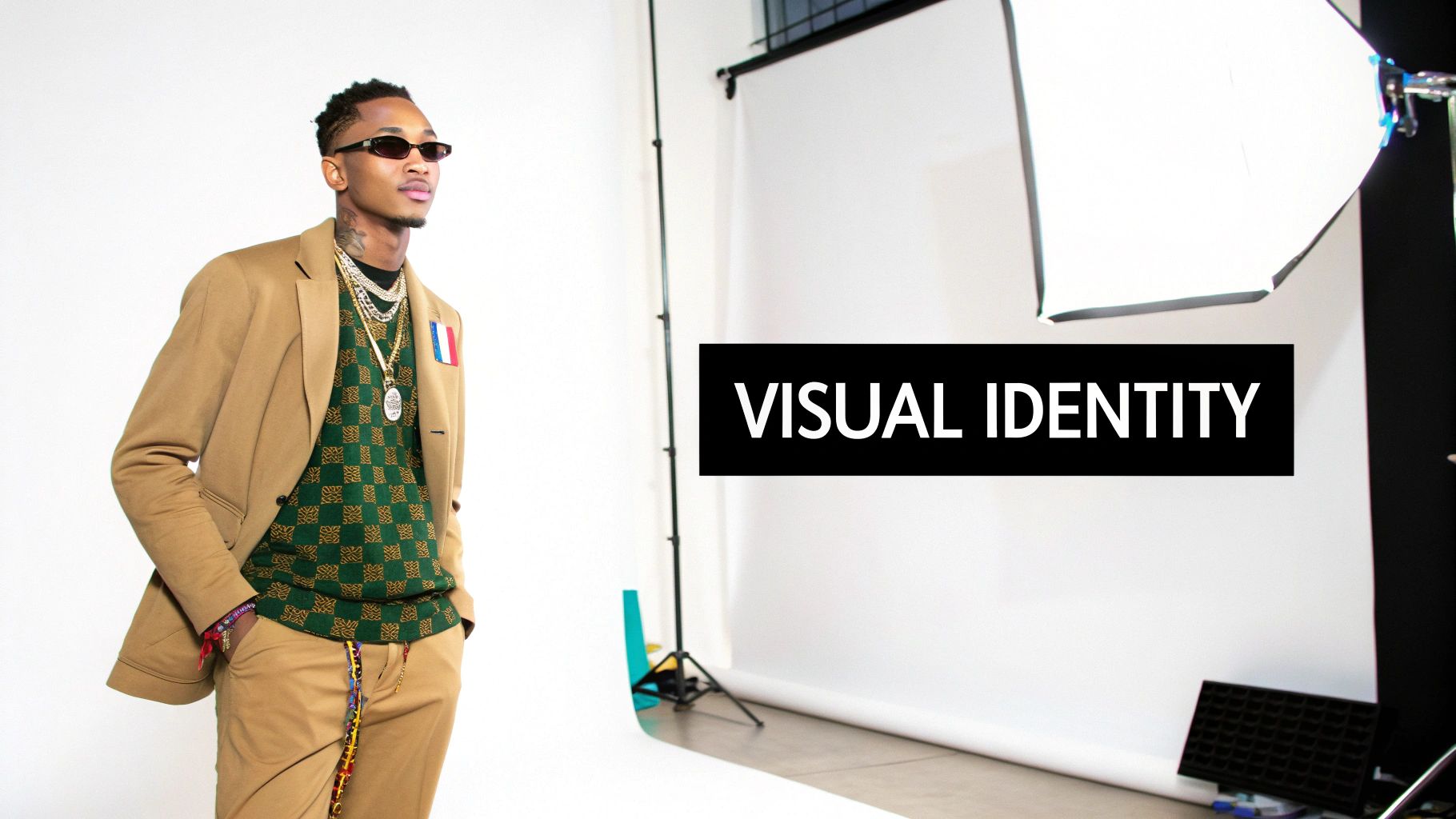
This consistency works just like it does for top Instagram or OnlyFans creators who use a recognizable aesthetic across their entire feed. Virtual influencer Miquela, for instance, maintains a specific fashion sense and her signature twin buns, making her immediately identifiable. For your AI character, this means defining a core look that can adapt without losing its essence.
How to Implement Visual Consistency
To build a powerful and consistent visual identity, you need a clear strategy. Start by defining the core components of your character's look and then create a system to replicate it accurately. To ensure your digital persona maintains a cohesive and recognizable look across all platforms, it's essential to understand how to create brand guidelines that your team can follow.
- Identify 3-5 Core Visuals: Select a few non-negotiable elements. This could be a specific hairstyle, a signature color palette (e.g., always wears pastels), a unique accessory like a particular necklace, or a recurring makeup style.
- Establish Generation Rules: Create a document outlining preferred lighting setups (e.g., "soft, golden hour light"), common poses that feel natural to the character's personality, and a narrow range of facial expressions.
- Create Templates or Presets: Use consistent prompts or settings in CreateInfluencers to maintain a uniform look. This is one of the most effective tips for character design when working with AI, as it reduces variability.
This structured approach not only strengthens brand recognition but also simplifies your content creation workflow. Learn more about developing these essential rules in our in-depth guide to creating a branding guide.
2. Understand Your Target Audience and Design for Them
Successful character design is not just about creating an appealing look; it’s about creating a look that appeals to a specific group of people. Understanding who will engage with your character is fundamental. Audiences on dating apps, OnlyFans subscribers, and high-fashion Instagram followers all have distinct preferences and expectations. Designing with your target audience in mind ensures your character resonates emotionally, which is key to driving engagement and revenue.
Designing for a specific niche is one of the most effective tips for character design because it focuses your efforts. An AI persona crafted for an alternative fashion audience will look vastly different from one targeting fitness enthusiasts on Instagram. By tailoring your character’s appearance, style, and persona to a defined demographic, you build a stronger, more authentic connection from the very beginning.
How to Design for Your Audience
To connect with your ideal followers, you must first understand them. This research phase is crucial for building a character that feels both aspirational and relatable to your target demographic. Analyzing audience data and competitor strategies will provide a clear roadmap for your design choices.
- Create Detailed Audience Personas: Go beyond basic demographics. Define your ideal follower's name, values, lifestyle, and aesthetic preferences. What kind of content do they consume? What brands do they follow?
- Analyze Competitor Success: Study successful AI influencers or creators in your target niche. Identify the visual elements, poses, and themes that resonate with their followers and find a unique angle for your character.
- Test and Iterate: Before committing to a final design, create several variations and test them. Use A/B testing on social media stories or share drafts with a small group to see which version gets the best response.
This audience-centric approach transforms character creation from guesswork into a strategic process. Dive deeper into the world of virtual personas and see how they are built for success in our guide to the rise of the AI-generated influencer.
3. Master Proportions and Anatomical Accuracy
Proper proportions create believability and appeal in character design, forming a crucial element in our list of tips for character design. Whether you are aiming for hyper-realistic or stylized aesthetics, understanding fundamental human anatomy is essential. Anatomical accuracy ensures proportions feel natural and aesthetically pleasing to viewers, reducing uncanny effects and increasing audience trust in your AI persona.
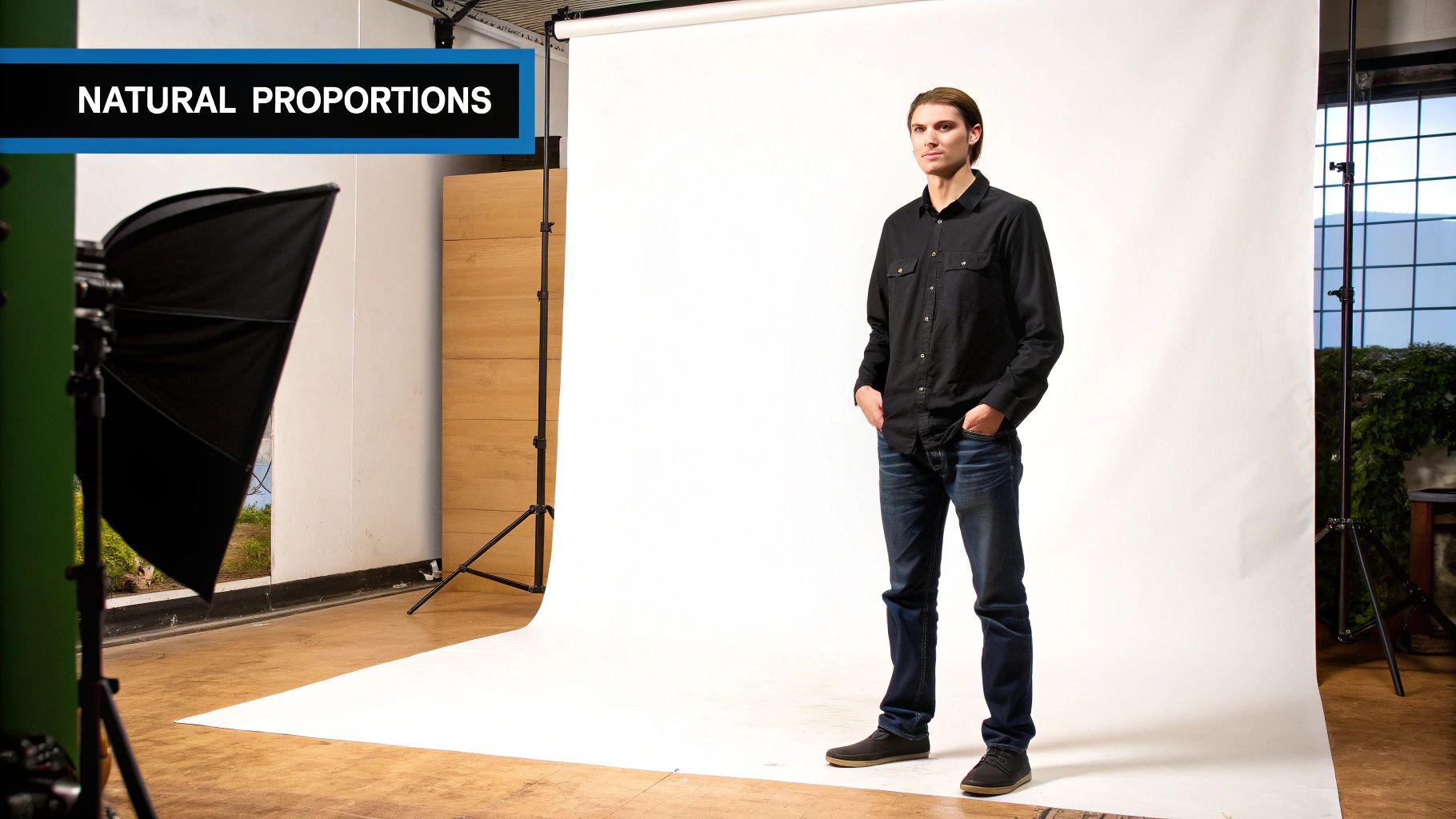
This principle is vital for creators on platforms like OnlyFans or dating apps, where a natural-looking AI avatar builds connection and credibility. An anatomically balanced digital avatar appears more trustworthy and engaging, preventing the subtle visual disconnect that can make AI-generated content feel fake. Mastering this ensures your character resonates effectively with its target audience.
How to Implement Anatomical Accuracy
Achieving believable proportions requires a mix of artistic study and practical checks. The goal is to create a character that looks correct from every angle, reinforcing their authenticity.
- Use Real-Life References: Start with reference images of real people who have a similar body type to your intended character. This provides a realistic baseline for the AI generation process.
- Study Anatomical Guides: Familiarize yourself with classic anatomical drawing methods, such as the Loomis method. Understanding the underlying structure helps you identify and correct proportional errors.
- Check from Multiple Angles: Always review your character's proportions from different angles and zoom levels. An image that looks correct in a closeup might reveal flaws in a full-body shot.
- Get Audience Feedback: Before finalizing your design, share it with a sample of your target audience. Ask for their feedback specifically on whether the character’s proportions feel natural and appealing.
This video offers a great starting point for understanding figure drawing fundamentals.
4. Develop a Compelling Personality and Backstory
A character's personality and backstory are the invisible engines driving their visual choices and audience connection. While visuals attract followers, a compelling narrative makes them stay. This depth informs how your character dresses, poses, and interacts, transforming them from a static image into a relatable being people can invest in emotionally. This is a critical tip for character design, as it provides the "why" behind every visual element.
This narrative-driven approach is key to success on platforms like OnlyFans or Instagram, where creators build niche personas (e.g., the girl-next-door, the luxe traveler) to foster loyalty. Virtual influencers like Lil Miquela have complex, evolving backstories that keep their audience engaged and speculating. A well-defined personality ensures every piece of content feels authentic and purposeful.
How to Implement Personality and Backstory
Building a rich inner world for your character requires strategic storytelling. Start by defining the core elements of who they are, which will guide every content decision you make. This foundation makes your character feel real and predictable, building trust with your audience.
- Write a Detailed Bio: Go beyond the basics. Outline their childhood, core values, ambitions, and fears. This document becomes your character bible.
- Define 5-7 Core Traits: Select a handful of key personality traits (e.g., witty, ambitious, introverted, adventurous) that will consistently guide their expressions, poses, and captions.
- Establish a Social Voice: Determine how your character communicates. Are they sarcastic and witty, or warm and inspirational? Keep this voice consistent across all posts and interactions.
- Align Content with Personality: Create content pillars that reflect their interests and story. If your character is an aspiring artist, show them creating art or visiting galleries.
A strong backstory gives your creation a soul, turning passive viewers into a dedicated community. Learn more about crafting a narrative in our guide to creating a superhero character, which covers foundational storytelling techniques.
5. Choose an Appropriate Style (Realistic vs. Stylized vs. Anime)
The stylistic direction you choose for your character—whether realistic, stylized, or anime—is a foundational decision that impacts everything from audience appeal to technical workflow. Each style resonates differently with various platforms and demographics, so selecting the right one is a strategic move that aligns your character with their intended market and monetization goals. A realistic style might excel on Instagram or dating apps, while an anime or cartoon aesthetic can build a dedicated fanbase on platforms like TikTok and Twitch.
Think of realistic influencers like Lil Miquela, whose lifelike appearance blurs the line between virtual and reality, making her relatable for brand partnerships. Conversely, anime-style VTubers thrive on expressive, exaggerated features that build strong community bonds. Your choice defines not just the look, but the entire ecosystem your character will inhabit. This is one of the most critical tips for character design, as it sets audience expectations from the very first glance.
How to Select the Right Character Style
Choosing a style isn't just about personal preference; it's about market fit and brand alignment. A well-chosen style ensures your character feels native to their platform and connects authentically with your target audience.
- Analyze Your Target Platform: Research the dominant visual styles on your chosen platform. Realistic models often perform best on Instagram and dating profiles, while stylized or anime characters gain more traction on TikTok, Twitter, and gaming communities.
- Consider Audience Aesthetics: What visual language does your ideal follower respond to? A character designed for a high-fashion audience will have different stylistic needs than one aimed at anime convention fans.
- Test and Measure Engagement: Use CreateInfluencers to generate versions of the same base character in 2-3 different styles. Post them and analyze which one receives the most positive engagement to make a data-driven decision.
- Match Style to Personality: Ensure the style complements your character's backstory and personality. A gritty, serious character may be best rendered realistically, whereas a bubbly, energetic personality could shine in a cartoon or anime style.
By carefully considering these factors, you can choose a style that not only looks great but also performs effectively. Dive deeper into the nuances of creating photorealistic characters in our guide to generating realistic AI images.
6. Create Versatility Through Costume and Styling Options
A static wardrobe makes a character feel one-dimensional. To build a dynamic and relatable digital persona, you need a versatile collection of costumes and styling options that allow them to adapt to different scenarios, trends, and seasons. This is one of the most practical tips for character design, as it directly impacts your ability to produce a high volume of engaging content for platforms like Instagram, TikTok, or OnlyFans.
This approach mirrors how successful creators operate; they don't wear the same outfit in every post. An OnlyFans model might rotate through seasonal lingerie, while a fashion influencer adapts their signature look to incorporate trending pieces. For an AI influencer, having a diverse wardrobe means you can create content for a holiday, jump on a viral fashion trend, or build themed photo sets for a dating profile, all while reinforcing the character’s core identity.
How to Implement Wardrobe Versatility
Building a flexible wardrobe for your AI character requires a strategic approach that balances consistency with variety. Start by defining their core style, then expand from there with thematic and situational outfits. This ensures your character remains recognizable even as their look evolves.
- Develop Core Outfit Templates: Define 5-7 go-to looks that embody your character’s personality. This could range from casual streetwear to elegant evening wear, creating a foundation for their style.
- Plan for Seasons and Events: Prepare themed outfits in advance for holidays, seasons, and potential brand collaborations. This keeps your content timely and relevant.
- Create a Fashion Mood Board: Collect images that align with your character’s aesthetic. This visual guide will help maintain a cohesive style across all outfit variations.
- Use Themed Photo Packs: Leverage tools like CreateInfluencers’ themed photo packs to efficiently generate diverse outfits, from gym wear to beach attire, that fit pre-established scenarios.
7. Pay Attention to Facial Expression and Emotion
Facial expression is the primary language of connection in visual storytelling. A character's face communicates their inner world, building a bridge between them and the audience without a single word. Mastering this is one of the most crucial tips for character design, as subtle shifts in a smile, a glance, or the arch of an eyebrow can dramatically alter the narrative and emotional impact of an image, making your character feel authentic and relatable.
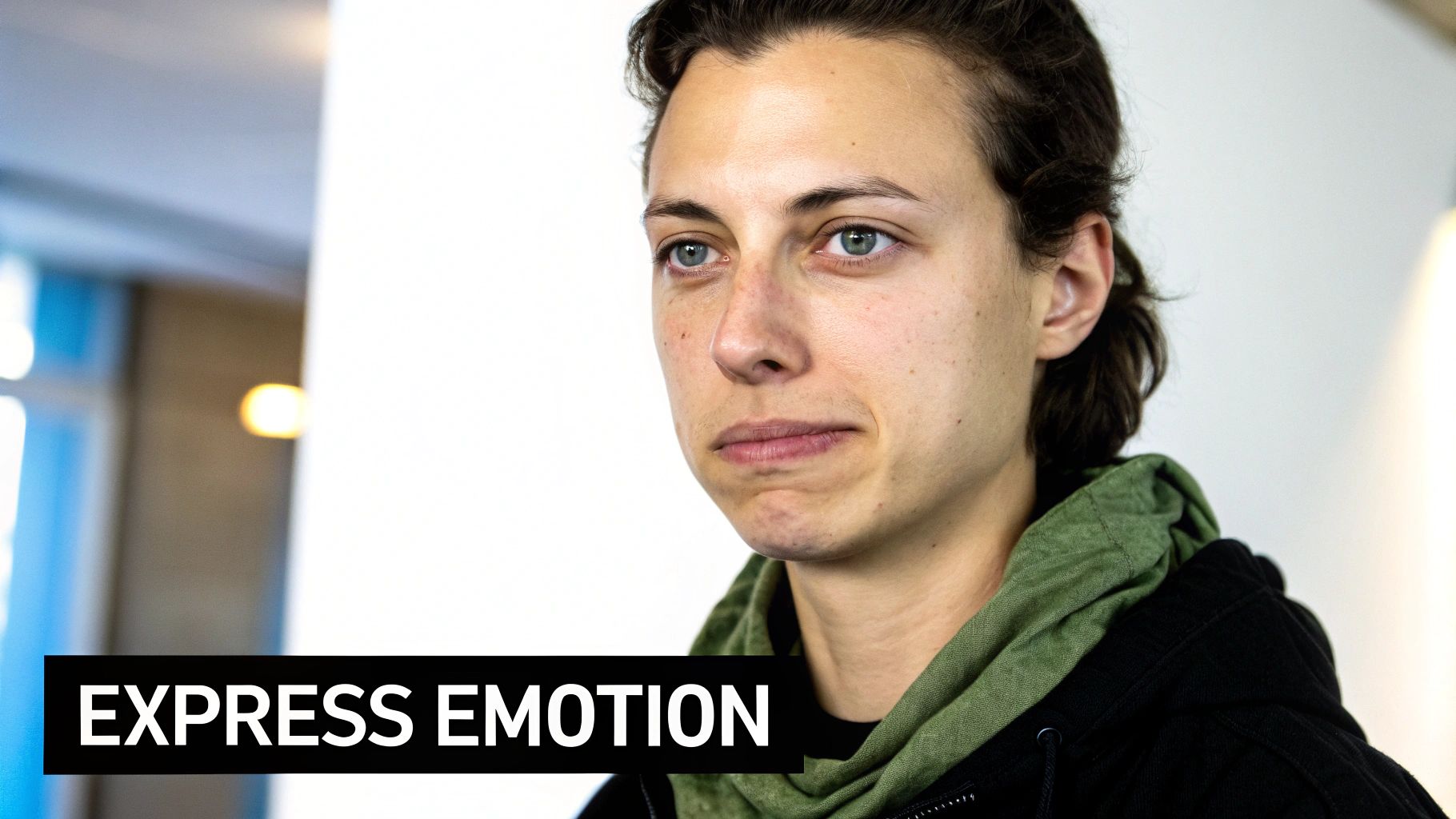
This principle is powerfully demonstrated by successful influencers and OnlyFans creators who expertly vary their expressions to match their content's mood, from playful and confident to sultry and vulnerable. For an AI influencer, having a diverse yet consistent emotional range prevents the "uncanny valley" effect and allows for more dynamic content creation. An authentic expression turns a static image into a moment of connection.
How to Implement Expressive Emotion
To bring your character to life, define a core set of emotions and learn how to generate them convincingly. This ensures your AI persona can react appropriately to different scenarios, whether in a sponsored post, a candid-style story, or a themed photoshoot.
- Define Core Expressions: Establish a palette of 5-7 key emotions that align with your character’s personality. This could include joyful, thoughtful, mysterious, confident, sultry, playful, and vulnerable.
- Use Real-World References: Collect reference images of real people displaying genuine emotions. Study how their eyes, mouth, and brow interact to create an authentic look, rather than a forced or exaggerated one.
- Align Expression with Context: Ensure the facial expression matches the character's pose, wardrobe, and the overall theme of the content. A pensive look fits a rainy-day coffee shop scene, while a confident smile suits a powerful business-style portrait.
By deliberately curating your character’s emotional range, you deepen their personality and make them more engaging. For an in-depth guide on refining these details, learn more about how to change facial expressions in AI generations.
8. Understand Color Psychology and Use Strategic Color Palettes
Color is a silent communicator, profoundly influencing mood, perception, and audience engagement. A strategic color palette for your character’s hair, eyes, clothing, and even typical environments is one of the most powerful tips for character design. It shapes how your audience feels about your character before they even read a caption, making them seem energetic, trustworthy, mysterious, or approachable.
This principle is used everywhere, from virtual influencers like Lil Miquela, whose cool-toned aesthetic feels modern and slightly detached, to OnlyFans creators who use warm, inviting colors to build intimacy. For an AI influencer, your color palette acts as a branding tool, creating an instantly recognizable and emotionally resonant feed that stands out in a crowded digital space.
How to Implement a Strategic Color Palette
Building an effective color palette requires blending psychological principles with practical application. The goal is to choose colors that not only define the character's personality but also perform well on your target platforms. This ensures your content is both memorable and visually optimized for maximum impact.
- Define a Core Palette (3-5 Colors): Select a primary color that embodies your character's main trait (e.g., confident red, calming blue) and 2-4 secondary colors to support it. Use these consistently in wardrobe and backgrounds.
- Consider Color Temperature: Warm colors like red, orange, and yellow often convey energy, passion, and playfulness. Cool colors like blue, green, and purple can suggest calmness, mystery, and sophistication.
- Prioritize High Contrast: Ensure your character stands out from their background. This is crucial for creating eye-catching thumbnails on platforms like YouTube, Instagram, and dating apps, where first impressions are made in a split second.
- Test on Mobile Devices: The vast majority of social media is consumed on phones. Check how your chosen colors appear on different screens to ensure they don't look washed out or overly saturated.
9. Design for Platform-Specific Requirements and Algorithms
A character that thrives on Instagram might not perform as well on LinkedIn or TikTok. Each social media platform has its own unique culture, audience expectations, and algorithmic preferences that should directly influence your character design. Tailoring your character’s appearance and presentation to fit the native environment of each platform is a critical strategy for maximizing discoverability, engagement, and even revenue.
This goes beyond just resizing an image; it’s about understanding what resonates with a specific audience. An OnlyFans character might benefit from a more intimate, direct-to-camera style, whereas a character designed for LinkedIn should project professionalism and authority. Adapting these elements is one of the most effective tips for character design when building a multi-platform presence, ensuring your creation feels authentic and relevant everywhere they appear.
How to Implement Platform-Specific Design
To succeed, you must think like a native user of each platform. Analyze top-performing accounts in your niche to identify visual patterns, then adapt your character's design to align with those trends while retaining their core identity. This strategic approach ensures your content is favored by the algorithm and connects with the target audience.
- Analyze Platform Aesthetics: Study the visual language of each platform. Instagram often favors bright, high-saturation, aspirational content. TikTok rewards authenticity, energy, and trend-responsive visuals. LinkedIn prioritizes clean, professional headshots.
- Optimize for Aspect Ratios and Thumbnails: Design with the dominant format in mind. Create vertically-oriented (9:16) content for TikTok and Instagram Reels. Ensure your character’s face is clear and compelling in a small, circular profile picture or a square grid thumbnail.
- Tailor Poses and Expressions: Adjust your character’s body language to match the platform's tone. Aspirational, curated poses work well on Instagram, while candid, expressive shots are better for TikTok. For dating apps, approachable and genuine expressions are key to building connection.
By designing with the platform in mind, you give your character the best possible chance to be discovered and embraced by a new audience. To learn more about tailoring content for different platforms, check out our guide on how to leverage AI for social media management.
10. Incorporate Trendy Elements While Maintaining Timeless Appeal
Striking a balance between current trends and a timeless core design is crucial for long-term relevance. A timeless foundation, such as your character's facial structure and core personality, ensures they remain recognizable, while trendy elements like outfits and accessories keep their content fresh and engaging. This strategy prevents your character from appearing dated and avoids the need for complete redesigns.
This approach is one of the most effective tips for character design, mirroring how successful human influencers evolve. They update their style to match current aesthetics on TikTok or Instagram but never change the core look their followers know and love. For an AI influencer, this means layering adaptable, trend-aligned elements over a durable, unchanging base identity to maintain audience connection while staying culturally relevant.
How to Blend Trends with a Timeless Core
To keep your character current without sacrificing their identity, separate their core features from their stylistic choices. Establish the non-negotiable aspects first, then use a systematic approach to introduce trendy elements that can be easily updated.
- Define a Timeless Core: Lock in the foundational elements that make your character unique. This includes their specific facial structure, core personality traits, and a base color palette that always feels authentic to them.
- Isolate Trend-Dependent Elements: Identify a few aspects of your character that can change with the seasons. This could be their wardrobe, makeup styles, or even specific hairstyles. These are your "trend slots."
- Monitor and Integrate Trends: Keep an eye on platforms like Pinterest and TikTok to spot emerging aesthetics. Select one or two trends to incorporate into your next content cycle, ensuring they align with your character’s personality.
- Plan Seasonal Updates: Use natural content cycles, like seasons or holidays, as opportunities to refresh your character’s trendy elements. This makes the changes feel organic and planned rather than random.
10-Point Character Design Comparison
| Strategy | Implementation Complexity 🔄 | Resource Requirements ⚡ | Expected Outcomes ⭐📊 | Ideal Use Cases 💡 | Key Advantages ⭐ |
|---|---|---|---|---|---|
| Define Clear Visual Identity and Maintain Visual Consistency | High 🔄 — requires a formal style guide and rules | Medium–High ⚡ — design time, templates, consistent production workflow | High ⭐📊 — strong recognizability, trust, improved monetization | Brand-first creators, multi-platform influencers, monetized personas | Strong brand recall; professional perception; cross-platform consistency ⭐ |
| Understand Your Target Audience and Design for Them | Medium 🔄 — ongoing research and iteration | Medium ⚡ — analytics, surveys, persona development | High ⭐📊 — better engagement and conversion rates | Niche creators, subscription-based platforms, dating apps | Higher relevance and subscriber conversion; tailored content performance ⭐ |
| Master Proportions and Anatomical Accuracy | Medium 🔄 — technical skill, reference checks | Medium ⚡ — references, modeling tools, reviews | Medium–High ⭐📊 — increased believability and acceptance | Realistic avatars for dating, mainstream social platforms, professional use | Reduces uncanny valley; boosts trust and broad appeal ⭐ |
| Develop a Compelling Personality and Backstory | Medium 🔄 — narrative development and consistency | Low–Medium ⚡ — writing, documentation, content alignment | High ⭐📊 — stronger emotional connection and retention | Long-term characters, virtual influencers, subscription services | Deepens parasocial bonds; fuels content ideas and loyalty ⭐ |
| Choose an Appropriate Style (Realistic vs. Stylized vs. Anime) | Variable 🔄 — depends on style chosen (realistic harder) | Variable ⚡ — art/tech resources vary by style | Variable ⭐📊 — alignment with platform/audience drives results | Platform-targeted campaigns, niche communities, testing strategies | Matches audience tastes; enables A/B testing of style performance ⭐ |
| Create Versatility Through Costume and Styling Options | Medium 🔄 — planning outfit systems and presets | Medium ⚡ — wardrobe assets, themed packs, generation time | Medium ⭐📊 — higher content volume and trend participation | Seasonal campaigns, high-post-frequency creators, merchandising | Increases content variety while preserving identity; monetization via packs ⭐ |
| Pay Attention to Facial Expression and Emotion | High 🔄 — nuanced control to avoid uncanny results | Medium ⚡ — skilled generation/editing, testing variations | High ⭐📊 — immediate emotional engagement and higher metrics | Content focused on connection (OnlyFans, dating, storytelling) | Conveys personality nonverbally; boosts engagement and trust ⭐ |
| Understand Color Psychology and Use Strategic Color Palettes | Medium 🔄 — research and palette testing | Low–Medium ⚡ — color tests, device checks, presets | Medium–High ⭐📊 — mood influence, thumbnail performance, recognition | Visual-first platforms (Instagram, TikTok), branding efforts | Shapes perception; improves discovery and aesthetic cohesion ⭐ |
| Design for Platform-Specific Requirements and Algorithms | High 🔄 — multiple optimized variants and monitoring | High ⚡ — format variations, testing, platform analytics | High ⭐📊 — improved discoverability and ROI on each platform | Multi-platform campaigns, paid-acquisition strategies, influencers | Maximizes algorithm performance and platform-specific engagement ⭐ |
| Incorporate Trendy Elements While Maintaining Timeless Appeal | Medium 🔄 — balancing core design with trend updates | Medium ⚡ — trend monitoring, scheduled refreshes | Medium–High ⭐📊 — sustained relevance and extended lifespan | Evolving brands, creators who need both novelty and longevity | Keeps relevance without frequent full redesigns; sustainable growth ⭐ |
Bringing Your Vision to Life with CreateInfluencers
Mastering the art of character design is far more than an artistic exercise; it's the foundational step in building a memorable and influential digital brand. Throughout this guide, we've explored the essential tips for character design, moving from the broad strokes of establishing a clear visual identity to the finer details of choosing a strategic color palette and crafting versatile expressions. The journey from a simple idea to a fully realized virtual persona is a process of deliberate creation, constant refinement, and strategic thinking.
The most successful digital influencers, human or AI, are built on a bedrock of consistency and relatability. This is where the principles we've discussed truly shine. A strong silhouette makes your character instantly recognizable in a crowded feed, a well-defined backstory gives them depth and a "soul," and a deep understanding of your target audience ensures every piece of content resonates powerfully. These elements work in harmony to transform a collection of pixels into a compelling personality that forges genuine connections.
Unifying Art and Technology for Maximum Impact
Ultimately, your character's success hinges on your ability to consistently execute your vision. This means uniting artistic principles with powerful technology. By applying these tips, you're equipped to:
- Build a Cohesive Brand: Ensure every post, from a simple selfie to a complex scene, reinforces your character’s core identity.
- Engage Your Audience: Use deliberate facial expressions, posing, and styling to tell stories and evoke specific emotions.
- Adapt and Evolve: Create a versatile character with a flexible wardrobe and style that can adapt to trends without losing its timeless appeal.
Platforms like CreateInfluencers are designed to be the bridge between your creative concept and its high-quality execution. Tools such as selfie-to-avatar generation, themed photo packs, and the HyperReal engine are not just features; they are your toolkit for maintaining the crucial consistency we've emphasized. They empower you to experiment with different looks, generate diverse content at scale, and ensure your character always looks their best, freeing you to focus on the bigger picture of storytelling and engagement. Once your character is fully conceptualized, consider leveraging AI video generator tools to bring your digital persona to life in dynamic content, further expanding your reach on platforms like TikTok and Instagram.
The path to creating an iconic virtual influencer begins with a single, well-designed character. The principles of silhouette, color, personality, and consistency are your compass. Now, it's time to take these tips for character design and turn them into a living, breathing digital entity that captivates audiences, drives engagement, and achieves your unique goals. Your vision is the blueprint; the tools are ready. The next step is to start building.
Ready to transform your ideas into a stunning AI influencer? CreateInfluencers provides the complete suite of tools you need to apply these character design principles with ease. From initial concept to generating consistent, high-quality content, our platform is built to bring your vision to life. Sign up for CreateInfluencers today and start building your digital legacy!