AI UGC Ads: What They Are & How to Make One in Minutes
Learn what AI UGC ads are, why brands use them, where they perform best, and how to create one in minutes without hiring creators. Start today.
AI UGC ads are user-generated-content-style advertisements created with artificial intelligence instead of filming real people, giving brands authentic-looking video and photo ads without hiring creators or production crews. They combine the proven performance of UGC creative with the speed and cost savings of AI generation. This guide walks you through what AI UGC ads are, why they work, where to run them, and how to make one in minutes.
You'll learn the key differences from traditional UGC, see step-by-step instructions for creating your first AI ad, and get best practices that help your creative perform. Whether you're testing new angles for Facebook ads or scaling TGC campaigns on TikTok, AI UGC gives you a faster path to authentic-looking content.
Key takeaways:
- AI UGC ads mimic the look and feel of real customer testimonials and creator content, but use AI-generated personas instead of filming real people
- Brands use them to test more creative variations quickly, reduce production costs, and scale winning angles without booking new talent
- They perform best on paid social platforms (Meta, TikTok, YouTube) where authentic, people-first creative drives lower CPAs and higher click-through rates
- You can create a complete AI UGC video in minutes using tools like CreateInfluencers, from scripting to final export
- Always label AI-generated content on platforms that require disclosure and follow FTC rules for advertising claims
What Are AI UGC Ads?
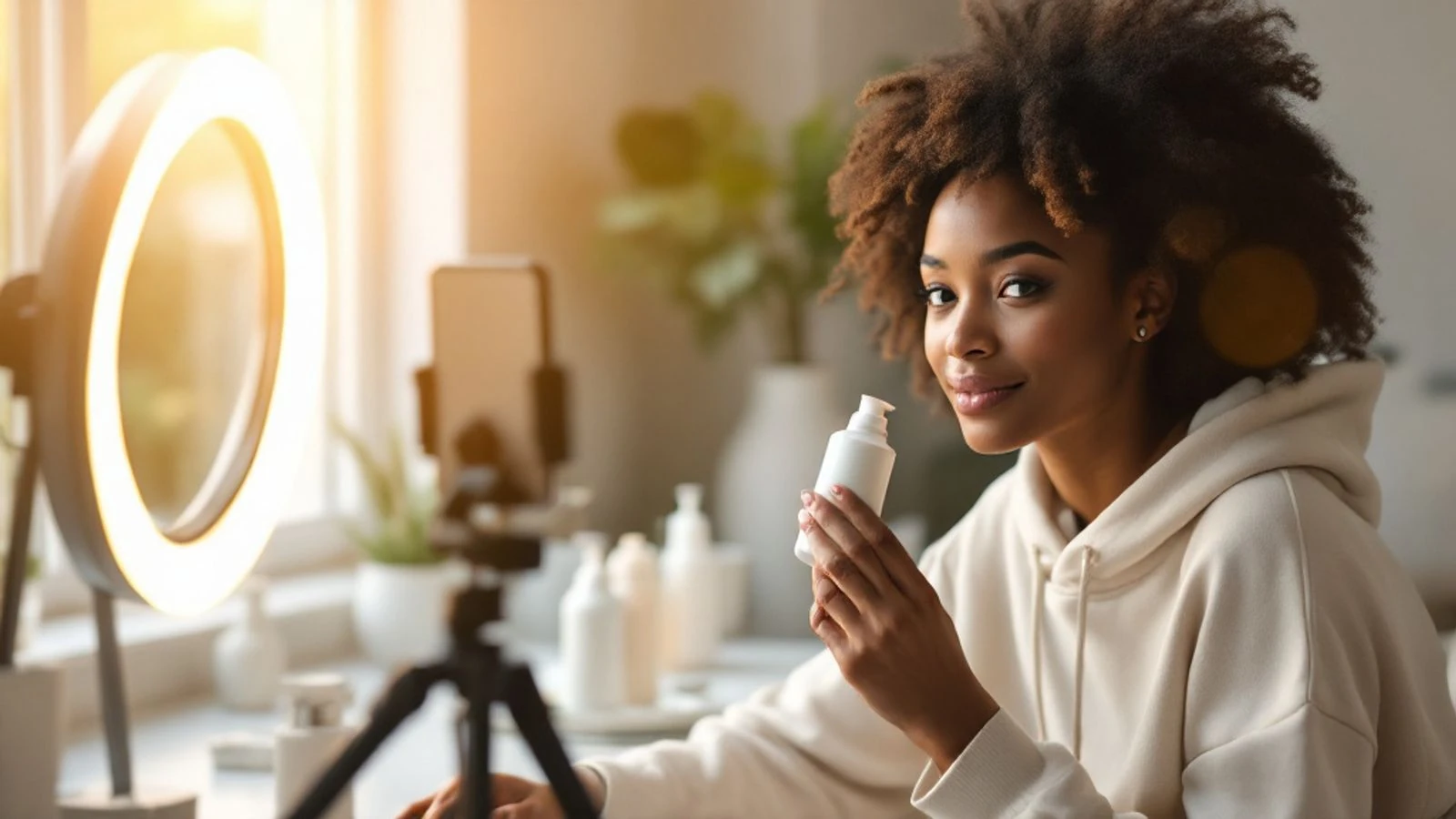
AI UGC ads are marketing creatives that look like user-generated content but feature AI-generated people instead of real creators. They typically show a person speaking directly to camera about a product, demonstrating it in everyday settings, or sharing a testimonial—exactly like traditional UGC ads.
The difference is invisible to most viewers: the person on screen is an AI character, the voice is synthesized or cloned, and the video is assembled from AI tools rather than filmed with a camera. The goal is the same as traditional UGC—to feel authentic, relatable and less "ad-like" than polished brand creative.
These ads work because they tap into the same psychology that makes real UGC perform. People trust recommendations from other people more than branded messages. When an ad feels like a friend's Instagram story or a TikTok review, viewers engage longer and convert better.
The Technology Behind AI UGC
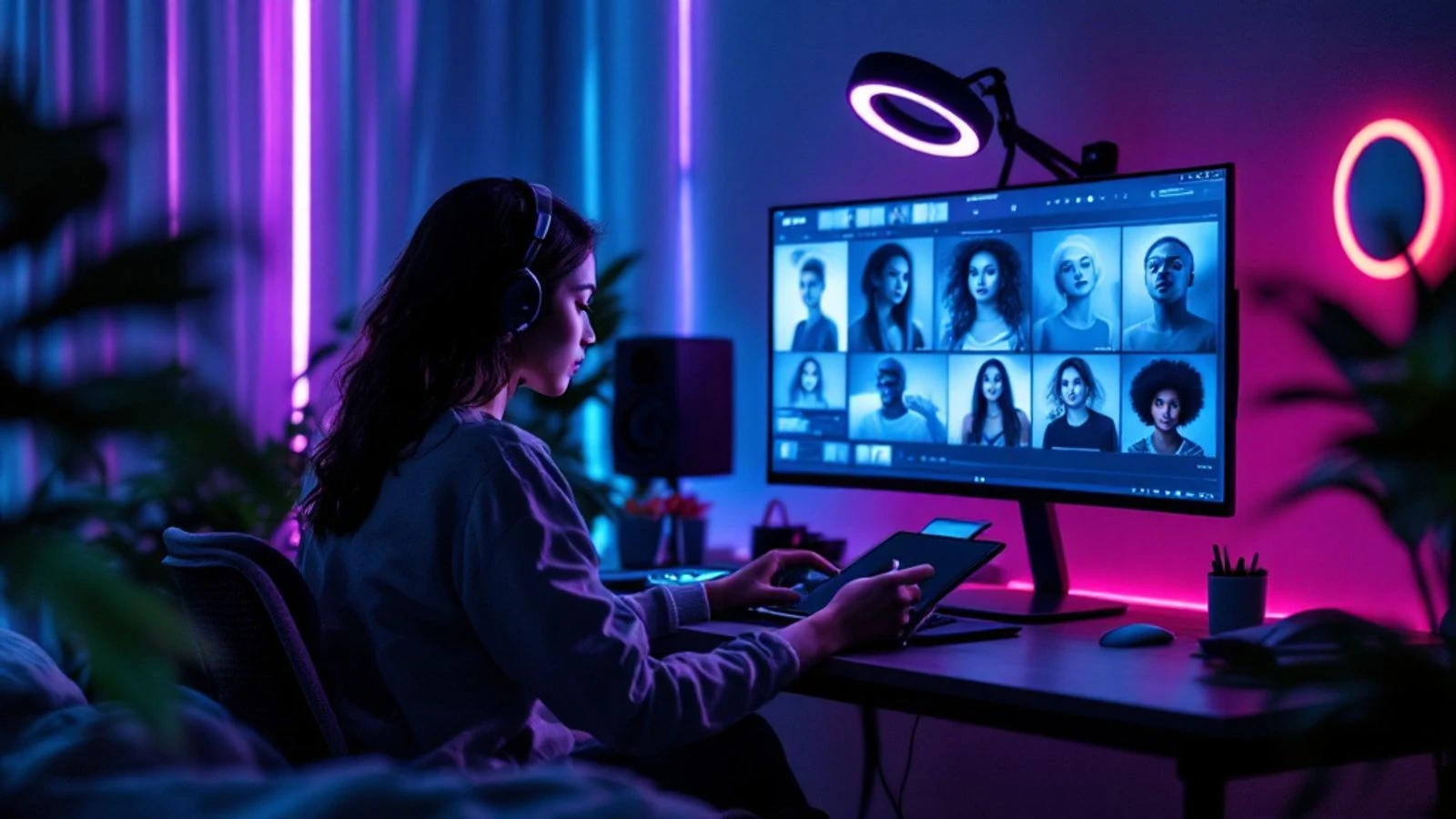
AI UGC ads combine several AI technologies. First, you create or choose an AI character—a digital person with a consistent face, style and personality. Tools like CreateInfluencers let you generate a character from a text description or upload selfies to create an AI version of yourself.
Next, you generate the visual content. For photo ads, you create lifestyle images of your AI character holding or using the product. For video, you turn a still image into a talking video by uploading a script, and the AI animates the face to lip-sync your message naturally.
Finally, you add any product shots, text overlays, captions and calls-to-action just like you would with traditional UGC. The result is a complete ad that looks and sounds like a real person filmed it on their phone.
Why Do Brands Use AI UGC Ads?
The biggest reason is speed. Traditional UGC requires finding creators, briefing them, waiting for content, reviewing drafts, and requesting revisions—a process that takes days or weeks. AI UGC ads can be created, tested and iterated in hours, letting you launch campaigns the same day you have an idea.
Cost is the second driver. Hiring creators for UGC typically costs money for micro-influencers, and more for established talent. Usage rights, revisions and reshoot fees add up quickly. AI tools cost a fraction of that, cutting production budgets substantially.
Testing velocity is the third advantage. Performance marketers know that creative is the biggest lever in paid social. The more angles, hooks and formats you test, the faster you find winners. AI UGC lets you test multiple variations in the time it would take to produce traditional videos, dramatically accelerating your learning curve.
Control and Consistency
AI UGC also gives you total creative control. You can tweak the script, swap the character, change the setting or adjust the tone in minutes without rescheduling a shoot. If a product detail changes or a claim needs updating, you regenerate the video instead of hiring the creator again.
Brand consistency improves too. When you use the same AI character across multiple ads, you build a recognizable "face" for your brand without the risk that a real creator will post off-brand content or become unavailable. You own the character and the content completely.
Finally, AI UGC scales effortlessly. Need the same ad in five languages? Generate five versions with different voice scripts. Want to test male and female presenters? Create both characters and run them head-to-head. Traditional UGC can't match that flexibility.
Where Do AI UGC Ads Perform Best?
AI UGC ads perform best on paid social platforms where authentic, people-first creative drives engagement. Meta (Facebook and Instagram), TikTok and YouTube are the top channels, with conversion-focused campaigns seeing the strongest results.
On Meta, AI UGC ads work well in News Feed and Stories placements. The platform's algorithm rewards content that keeps users engaged, and UGC-style creative typically earns longer watch times and higher click-through rates than static product images.
TikTok is a natural fit for AI UGC because the entire platform is built on short, authentic creator videos. Ads that mimic organic TikTok content—vertical format, casual tone, quick hooks—blend into the feed and perform better than obvious ads. AI lets you test dozens of hooks and formats to find what resonates with TikTok's audience.
YouTube and Other Channels
YouTube pre-roll and in-stream ads benefit from AI UGC when the creative feels like a genuine review or tutorial. Viewers are more likely to watch past the skip button if the ad looks like content they chose to watch. Longer-form AI UGC (30-60 seconds) performs well here because YouTube audiences expect more depth than TikTok's quick hits.
Display and programmatic channels see mixed results. AI UGC works when the placement supports video or when a static image of a person adds credibility (for example, a testimonial banner). But many display environments favor product-focused creative over people.
Email and landing pages are underrated opportunities. Adding an AI UGC video to your email campaigns or product pages can lift click rates and conversions by making the message feel more personal. A short AI testimonial on a landing page often outperforms text alone.
AI UGC Ads vs Traditional UGC: Key Differences
The table below summarizes the key trade-offs between AI-generated and traditional UGC ads:
| Factor | AI UGC Ads | Traditional UGC |
|---|---|---|
| Production time | Minutes to hours per video | Days to weeks from brief to delivery |
| Cost per video | Low subscription or credit cost | Higher creator fees and production costs |
| Iteration speed | Instant; regenerate in minutes | Slow; requires rebriefing or reshooting |
| Authenticity | Very high if well-made; can feel "off" if poorly executed | Genuine human reactions and quirks |
| Creative control | Total; you script and direct everything | Limited; creators add their own style |
| Scaling | Unlimited; generate many variations | Constrained by creator availability and budget |
| Platform requirements | Must label as AI-generated on most platforms | No special labeling required |
When to Choose AI UGC
AI UGC makes the most sense when you need to test fast, scale creative quickly, or work within tight budgets. It's ideal for early-stage brands validating product-market fit, performance marketers running high-velocity testing, and seasonal campaigns that need dozens of variations.
Choose AI when you want full control over messaging and when your product benefits from showing diverse presenters (different ages, styles, settings) without the logistics of casting and coordinating multiple creators. AI also shines when you need to update ads frequently—for example, limited-time offers or rapidly changing product details.
When Traditional UGC Still Wins
Traditional UGC remains stronger when authenticity and genuine emotion are critical—for example, customer success stories, before-and-after transformations, or products where trust is the main barrier. Real creators bring spontaneity, unique personalities and cultural credibility that AI can't fully replicate yet.
If your brand already has a roster of creator partners with engaged audiences, traditional UGC leverages their reach and influence beyond just the ad itself. And for some audiences (especially older demographics less familiar with AI), real people may simply perform better because they feel more trustworthy.
The best approach for many brands is a hybrid: use AI UGC for rapid testing and high-volume creative needs, and invest in traditional UGC for hero content and community building. For a deeper dive into creating AI video content, check out our AI UGC Video: A Creator's Guide for 2026.
How to Make AI UGC Ads in Minutes
Creating your first AI UGC ad is faster than you think. Here's a step-by-step process that works with most AI UGC tools:
Define your goal and script. Write a 15-30 second script that delivers one clear message. Start with a hook (a question, pain point or bold claim), explain the benefit, and end with a call-to-action. Keep it conversational—write how people actually talk, not how brands write copy.
Choose or create your AI character. Pick a character that matches your target audience. If you're selling skincare to women in their 30s, choose or generate a character in that demographic. Consistency matters: use the same character across multiple ads so viewers start to recognize them.
Generate the talking video. Upload a reference image of your character and paste your script into the tool's talking-video feature. The AI will animate the face to lip-sync your words. Most tools offer multiple voice options; choose one that fits your brand's tone (friendly, professional, energetic, etc.).
Add product visuals and overlays. Layer in product shots, text callouts, before-and-after comparisons or any other visual elements that support your message. Keep it simple—too many elements distract from the person speaking.
Export and review. Generate the final video and watch it like a viewer would. Does the lip-sync look natural? Is the pacing right? Does the hook grab attention in the first 2 seconds? Make tweaks and regenerate until it feels right.
Upload to your ad platform. Export the video in the format your platform requires (usually MP4, 1080×1920 for vertical or 1080×1080 for square). Upload it to Meta Ads Manager, TikTok Ads or your platform of choice, add your targeting and budget, and launch.
Tools and Resources
If you're new to AI video creation, our guide on How to Make AI Videos a Beginner Can Master covers the fundamentals. For a broader look at AI content tools, see our roundup of the Best AI Tools for Content Creation in 2025.
The entire process from script to export typically takes minutes once you're familiar with the workflow. Your first few attempts might take longer as you learn the interface and experiment with different voices and styles, but speed improves quickly.
Creating AI UGC Ads with CreateInfluencers
CreateInfluencers is designed specifically for creating AI influencers and content, making it a strong fit for AI UGC ads. Here's how the platform works for ad creation:
Create your AI character. Start by describing the person you want—age, style, ethnicity, vibe—and the tool generates a unique AI character. Alternatively, upload selfies to create an AI version of yourself. The platform trains the character's face so every photo and video shows the same person.
Generate lifestyle photos. Use text prompts to create realistic photos of your character in any setting: holding your product, in a coffee shop, at home, outdoors. Photo packs give you themed sets (for example, Instagram photoshoot, night club, old money style) that deliver multiple images in one consistent outfit and location, perfect for carousel ads or multi-scene videos.
Create talking videos. Turn any photo of your character into a talking video by uploading your script. The AI animates the face to match your words naturally, creating UGC-style spokesperson videos in minutes. This is the core feature for AI UGC ads—you can test multiple scripts, tones and hooks without reshooting.
Enhance with face swap and upscaling. If you already have UGC-style footage but want to swap in your AI character, use the face swap tool for images and videos. The HD upscaler improves resolution for final exports, ensuring your ads look crisp on all placements.
CreateInfluencers is free to start with no credit card required, and generations use credits with monthly plans available for higher volume. It's a web app, so there's no software to install—you work directly in your browser.
Best Use Cases on CreateInfluencers
The platform excels at creating consistent AI characters for ongoing campaigns. Once you've built and trained a character, you can generate unlimited content featuring that same person, building brand recognition across your ads. This is harder with traditional UGC where you'd need to rebook the same creator repeatedly.
Talking videos are the standout feature for AI UGC ads. You can test different scripts with the same character quickly, or test the same script with different characters to see which presenter resonates best. This testing velocity is a key advantage over traditional production.
For creators and agencies managing multiple brands, the ability to create and save multiple AI characters means you can maintain a roster of "talent" without scheduling headaches. Generate content on demand, whenever a client needs a new ad or a campaign requires a refresh.
Best Practices for AI UGC Ad Creative
Even with AI doing the heavy lifting, creative quality still determines performance. Here are best practices that separate high-performing AI UGC ads from mediocre ones:
Hook viewers in the first 2 seconds. Start with a question, a bold claim or a relatable pain point. "Still using [old solution]?" or "I tried [product] for 30 days and here's what happened" work better than generic intros. The hook determines whether viewers keep watching or scroll past.
Keep scripts conversational and specific. Write like you're texting a friend, not drafting a press release. Use contractions, casual language and specific details. Instead of "This product is great," say "I've been using this for three weeks and my skin feels so much smoother." Specificity builds credibility.
Match the platform's native format. Vertical video (9:16) for TikTok and Instagram Stories, square (1:1) for Instagram Feed, horizontal (16:9) for YouTube. Use the pacing and style of organic content on each platform—quick cuts and fast hooks for TikTok, slightly longer setups for YouTube.
Technical Quality Matters
Ensure natural lip-sync and expressions. Watch your AI video closely before exporting. If the lip movements look off or the facial expressions feel robotic, try a different voice option or adjust your script's pacing. Most viewers won't consciously notice perfect lip-sync, but they'll feel something is "off" if it's bad.
Use high-quality visuals. Generate your character images at the highest resolution your tool offers, and upscale if needed. Blurry or pixelated AI faces break the illusion of authenticity. Good lighting and realistic settings also help—avoid obviously AI-generated backgrounds that look like stock photos.
Add subtle imperfections. Perfect ads can feel fake. Consider adding slight camera shake, a casual background or natural pauses in the script. Some brands intentionally add a "filmed on phone" aesthetic with slight graininess or color grading to make AI UGC feel more organic.
Disclosure and Compliance
Label AI-generated content where required. Meta, TikTok and YouTube all ask creators to disclose realistic AI-generated content. Check each platform's current guidelines—Meta's approach to labeling AI content and TikTok's AI-generated content labels explain the requirements. Some platforms can add labels automatically when they detect AI.
Follow advertising rules. AI-generated or not, your ads must comply with FTC guidelines and platform policies. Don't make false claims, disclose material connections (for example "#ad" or "paid partnership" if you're an affiliate or paid partner), and follow category-specific rules (health claims, financial advice, etc.). The FTC's Disclosures 101 applies to all influencer-style content, including AI.
Respect platform content policies. Instagram and TikTok don't allow nudity or sexual content, so keep AI UGC for those platforms safe-for-work. Adult content belongs on adult platforms like Fanvue, which openly accepts AI-generated creator accounts as long as the content is properly labeled.
Testing and Iteration
Test multiple variations. The power of AI UGC is speed, so use it. Test different hooks, different character styles, different scripts and different CTAs. Run multiple variations in your first campaign and let the data show you what works.
Analyze performance by element. When one ad outperforms others, identify why. Was it the hook? The character? The pacing? The offer? Isolate variables so you can apply winning elements to future ads. AI UGC makes this scientific approach practical because you can control every variable.
Refresh creative regularly. Even winning ads fatigue as audiences see them repeatedly. Plan to refresh your AI UGC regularly by updating the script, changing the setting or introducing a new character. AI makes this effortless compared to traditional production.
FAQ
Are AI UGC ads legal?
Yes, AI UGC ads are legal as long as you follow platform rules and advertising regulations. You must disclose AI-generated content on platforms that require it (Meta, TikTok, YouTube and others), comply with FTC guidelines on truthful advertising, and avoid making false claims about your product. The ad's legality depends on what you say and how you label it, not on the fact that it's AI-generated.
Do AI UGC ads perform as well as real UGC?
Performance varies by execution, but well-made AI UGC ads can perform comparably to traditional UGC in click-through rates and conversions. The quality of the script, hook and overall creative matters more than whether the person is real or AI.
Which platforms allow AI UGC ads?
All major ad platforms (Meta, TikTok, YouTube, Google Display) allow AI-generated ads, but most require you to label realistic AI-generated content. Check each platform's current policies—YouTube's guide on disclosing altered or synthetic content and TikTok's community guidelines on integrity and authenticity explain the expectations. The rules change, so review them before launching campaigns.
Can I use AI UGC ads for any product?
You can use AI UGC ads for most products, but some categories have extra restrictions. Health and wellness products often require disclaimers and can't make unverified claims. Financial services, supplements and other regulated industries have strict advertising rules regardless of who's in the ad. Always comply with category-specific regulations and platform policies for your product type.
How much does it cost to create AI UGC ads?
AI UGC tools typically have subscription plans or credit-based pricing. This is substantially cheaper than hiring creators for traditional UGC. Your total cost depends on how many variations you create and which tool you use, but it's a fraction of traditional production budgets.
Do I need to disclose that my ads use AI?
In most cases, yes. Meta, TikTok, YouTube and other platforms ask you to label realistic AI-generated content, and some add labels automatically. Even if a platform doesn't require it, transparency builds trust—viewers appreciate knowing what they're seeing. Follow the FTC's general guidance on truthful advertising and each platform's specific AI disclosure rules to stay compliant.
AI UGC ads give you the creative velocity and cost efficiency to test more, learn faster and scale winning campaigns without the logistics of traditional production. The technology is accessible, and the workflow fits seamlessly into modern performance marketing.
Ready to create your first AI UGC ad? Create your AI influencer free and start generating content in minutes.